
Aging in Place: What It Is and Why It Matters
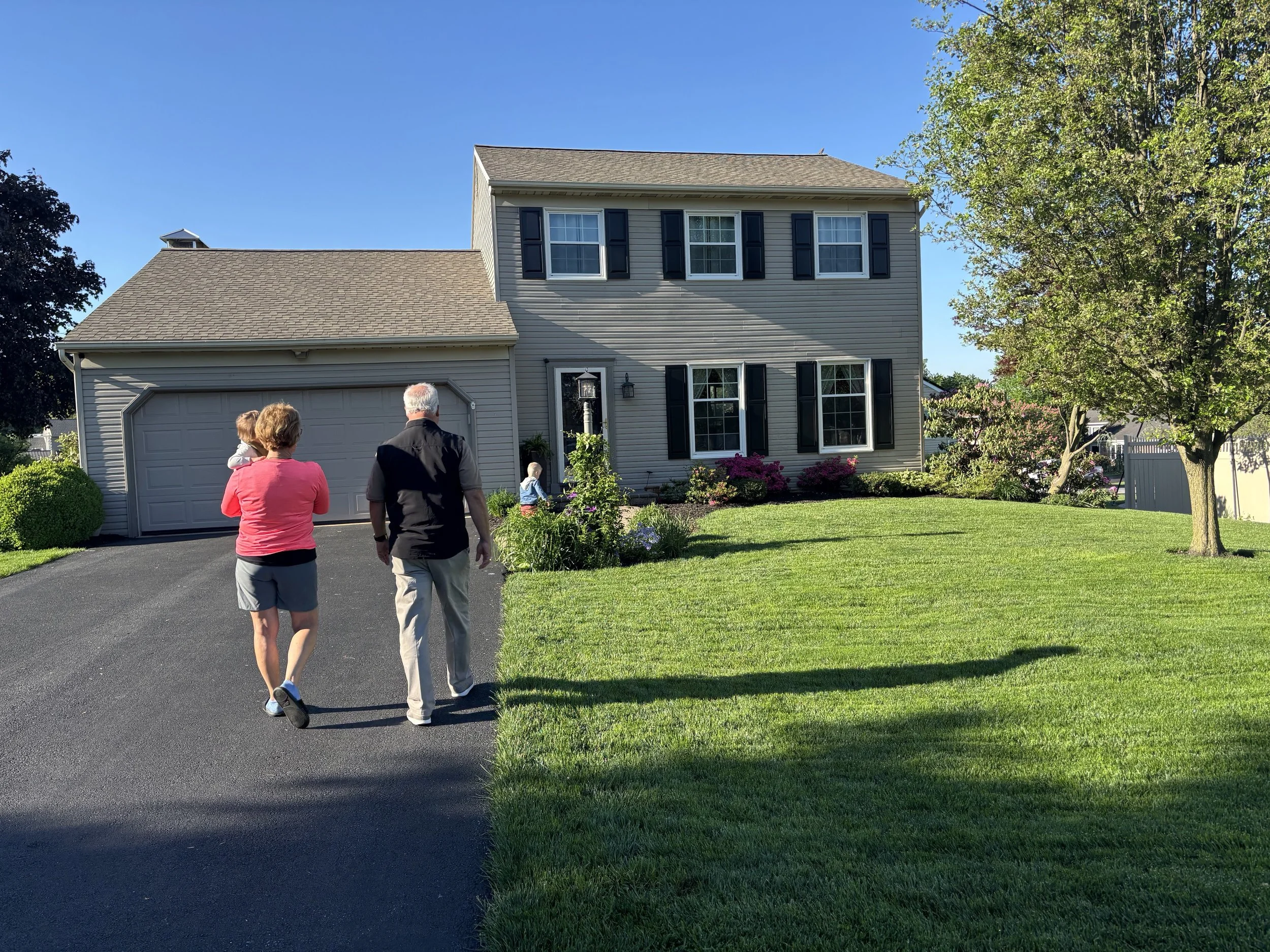
For most of us, the word "home" carries profound meaning.
It's where we've built memories, cultivated relationships, and established our sense of identity. It's no wonder that when faced with the challenges of aging, the vast majority of older adults express a strong desire to remain in their own homes for as long as possible. This preference has given rise to a movement known as "aging in place" – a concept that's reshaping how we think about growing older in America.
What Is Aging in Place?
Aging in place refers to the ability to live in one's own home and community safely, independently, and comfortably, regardless of age, income, or ability level. Exploring options other than moving to assisted living facilities, nursing homes, or other institutional care settings, aging in place allows older adults to maintain their independence while receiving the support and services they need in familiar surroundings.
The concept encompasses much more than simply staying put. True aging in place involves creating an environment and support system that adapts to changing needs over time. This might include home modifications, technology integration, community services, and healthcare support that enable someone to continue living safely and meaningfully in their chosen environment.
Aging in place doesn't mean going at it alone. It often involves a carefully orchestrated network of family members, friends, neighbors, healthcare providers, and community services working together to support an individual's desire to remain home. The goal is to maintain quality of life, dignity, and independence while ensuring safety and access to necessary care.
The Numbers Tell a Powerful Story
The desire to age in place isn't just a preference – it's an overwhelming priority for older Americans. According to AARP research, nearly 90% of adults over age 65 want to remain in their homes as they age. This preference spans across income levels, geographic regions, and cultural backgrounds, making it one of the most universal desires among older adults.
Currently, the majority of older Americans are successfully aging in place. About 95% of people over 65 live in traditional community settings rather than institutional care facilities. However, as the population ages and lifespans increase, the challenge becomes ensuring that aging in place remains safe, sustainable, and fulfilling for individuals and their families.
The demographic shift we're experiencing makes this issue increasingly urgent. By 2030, all baby boomers will be 65 or older, creating the largest senior population in American history. This generation, known for challenging traditional norms, is particularly committed to maintaining independence and control over their living situations as they age.
Why Aging in Place Matters: The Benefits
Emotional and Psychological Well-being
There's something irreplaceable about the comfort and security of familiar surroundings. Home represents continuity, identity, and autonomy – all crucial elements for psychological well-being as we age. Research consistently shows that older adults who remain in their own homes experience lower rates of depression and anxiety compared to those who move to institutional settings.
The emotional attachment to home goes beyond mere familiarity. It's tied to a sense of control and self-determination that becomes increasingly important as other aspects of life may become less predictable. Being able to wake up in your own bedroom, tend to your garden, or sit in your favorite chair provides a stability that supports mental health and overall quality of life.
Maintaining Social Connections
Aging in place allows individuals to preserve the social networks they've built over decades. Long-term neighbors become informal caregivers and companions. Community connections – whether through religious organizations, volunteer groups, or local businesses – remain intact. These relationships provide not just social interaction but also practical support and a sense of belonging that can be difficult to replicate in new environments.
Research shows that social isolation is a significant health risk for older adults, comparable to smoking or obesity in its impact on mortality and morbidity. By remaining in familiar communities, aging in place can help maintain the social connections that are vital for physical and mental health.
Financial Advantages
From a purely financial perspective, aging in place often makes sense. The median cost of a private room in a nursing home exceeds $100,000 annually in many areas, while assisted living facilities average around $50,000 per year. Even with necessary home modifications, in-home care services, and technology upgrades, many families find that aging in place is significantly more affordable than institutional care.
Beyond direct care costs, aging in place allows individuals to benefit from home equity they've built over decades. Rather than selling a home to pay for facility care, families can use resources like reverse mortgages or home equity loans to fund aging in place modifications and services while maintaining ownership of their property.
Better Health Outcomes
Multiple studies have demonstrated that older adults who age in place often experience better health outcomes than those in institutional settings. This may be due to several factors: reduced exposure to infectious diseases common in group living situations, maintained physical activity through daily living tasks, continued engagement in meaningful activities, and the psychological benefits of familiar surroundings.
Aging in place also allows for more personalized care approaches. Rather than adapting to institutional schedules and routines, individuals can maintain their preferred daily rhythms, dietary habits, and lifestyle choices that support their overall health and well-being.
The Challenges We Must Address
While aging in place offers significant benefits, it's not without challenges that must be thoughtfully addressed to ensure success and safety.
Home Safety and Accessibility
Most homes weren't designed with aging in mind. Stairs, narrow doorways, high cabinets, and slippery surfaces can become significant hazards as mobility and vision change. Successful aging in place often requires proactive home modifications: installing grab bars and ramps, improving lighting, creating barrier-free bathrooms, and ensuring that essential living areas are accessible.
The key is anticipating needs before they become urgent. A bathroom modification done proactively is far less stressful and expensive than one done after a fall has already occurred.
Healthcare Access and Coordination
Aging often brings increased healthcare needs, and ensuring access to quality medical care while aging in place requires careful planning. This includes not just routine medical care, but also specialized services, emergency response systems, and coordination between multiple healthcare providers.
Telehealth technology has revolutionized healthcare access for those aging in place, but it requires both the technology infrastructure and the knowledge to use it effectively. Additionally, some medical needs still require in-person care, making transportation and mobility key considerations.
Social Isolation Risks
While aging in place can help maintain existing social connections, it can also lead to isolation if those connections are lost through death, illness, or relocation of friends and family members. Successful aging in place requires intentional effort to maintain and develop social connections, whether through community programs, technology, or family involvement.
The COVID-19 pandemic highlighted both the benefits and risks of aging in place. While those at home were protected from institutional outbreaks, many also experienced unprecedented isolation that impacted their mental and physical health.
Family and Caregiver Strain
Aging in place often relies heavily on family members and informal caregivers who may not be trained or equipped for the responsibilities they're taking on. This can lead to caregiver burnout, family stress, and inadequate care for the aging individual.
Successful aging in place requires recognizing when professional support is needed and having systems in place to access that support. It also means having honest conversations about expectations, capabilities, and boundaries among family members.
Making Aging in Place Work: Key Strategies
Start Planning Early
The most successful aging in place situations are those where planning begins well before it becomes necessary. This means having conversations about preferences and expectations while everyone is healthy, assessing homes for potential modifications, researching community resources, and establishing relationships with healthcare providers who support aging in place.
Create a Support Network
Aging in place works best when it's supported by a network of formal and informal caregivers. This might include family members, neighbors, friends, professional caregivers, healthcare providers, and community organizations. The key is building these relationships before they're critically needed.
Embrace Technology
Technology can be a game-changer for aging in place, from medical alert systems and medication reminders to video calling and smart home features that enhance safety and independence. The key is choosing technology that matches individual comfort levels and needs while ensuring adequate support for learning and troubleshooting.
Remain Flexible and Realistic
Successful aging in place requires ongoing assessment and adjustment. Needs change, health conditions evolve, and family situations shift. Being willing to modify plans, accept additional help, or even consider alternative living arrangements when necessary is part of aging in place responsibly.
The Broader Impact: Why Society Benefits
When aging in place is done well, it benefits not just individuals and families, but society as a whole. It reduces pressure on an already strained long-term care system, allows older adults to continue contributing to their communities, and supports local economies through continued homeownership and community engagement.
Communities that support aging in place also tend to be more vibrant and diverse, with multiple generations living and interacting together. This creates opportunities for intergenerational connections that benefit everyone, from young families who gain wisdom and support from older neighbors to communities that maintain institutional memory and continuity.
Looking Forward: The Future of Aging in Place
As the population ages and technology continues to evolve, aging in place will likely become even more feasible and common. Innovations in telehealth, smart home technology, and community-based services are making it possible for people to remain safely in their homes with conditions that previously would have required institutional care.
However, realizing the full potential of aging in place requires intentional effort from individuals, families, communities, and policymakers. This includes everything from zoning laws that support accessory dwelling units to healthcare policies that reimburse for home-based care, from community transportation programs to neighborhood support networks.
The goal isn't just to help people stay in their homes longer, but to ensure that aging in place allows for continued growth, contribution, and fulfillment throughout the later years of life. When done well, aging in place doesn't just extend life – it enhances it.
5 Key Takeaways
Aging in place is overwhelmingly preferred: Nearly 90% of adults over 65 want to remain in their homes as they age, making it one of the most universal desires among older Americans.
The benefits extend beyond comfort: Aging in place supports better mental health, maintains social connections, offers significant financial advantages, and often leads to better health outcomes compared to institutional care.
Success requires proactive planning: The most successful aging in place situations involve early planning, home modifications, healthcare coordination, and building support networks before they're critically needed.
Technology is a game-changer: From medical alert systems to telehealth and smart home features, technology can dramatically enhance safety, independence, and quality of life for those aging in place.
It benefits everyone: When done well, aging in place reduces strain on healthcare systems, keeps communities vibrant and diverse, and allows older adults to continue contributing meaningfully to society.

Citations and References
AARP Public Policy Institute. (2021). "2021 Home and Community Preferences Survey: A National Survey of Adults Age 18-Plus." Washington, DC: AARP Research.
Administration for Community Living, U.S. Department of Health and Human Services. (2022). "2021 Profile of Older Americans." Washington, DC.
Genworth Financial. (2023). "Cost of Care Survey: Long Term Care Costs by State." Richmond, VA: Genworth Financial.
National Association of Home Builders. (2022). "What Home Buyers Really Want: A Nationwide Study." Washington, DC: NAHB.
Centers for Disease Control and Prevention. (2021). "Healthy Places Terminology: Aging in Place." Atlanta, GA: CDC.
Wiles, J. L., Leibing, A., Guberman, N., Reeve, J., & Allen, R. E. (2012). The meaning of "aging in place" to older people. The Gerontologist, 52(3), 357-366.
Vasunilashorn, S., Steinman, B. A., Liebig, P. S., & Pynoos, J. (2012). Aging in place: Evolution of a research topic whose time has come. Journal of Aging Research, 2012, Article 120952.
Grimmer, K., Kay, D., Foot, C., & Pastakia, K. (2015). Consumer views about aging-in-place. Clinical Interventions in Aging, 10, 1803-1811.
National Institute on Aging. (2022). "Aging in Place: Growing Older at Home." Bethesda, MD: National Institutes of Health.
Binette, J., & Vasold, K. (2018). "2018 Home and Community Preferences: A National Survey of Adults Age 18-Plus." Washington, DC: AARP Research.
Peek, S. T., Wouters, E. J., van Hoof, J., Luijkx, K. G., Boeije, H. R., & Vrijhoef, H. J. (2014). Factors influencing acceptance and use of technology for aging in place: A systematic review. International Journal of Medical Informatics, 83(4), 235-248.
Thomas, K. S., & Mor, V. (2013). Providing more home-delivered meals is one way to keep older adults with low care needs out of nursing homes. Health Affairs, 32(10), 1796-1802.
Aging in place represents more than a housing choice – it's a philosophy that honors the human desire for autonomy, continuity, and dignity throughout the aging process. While it requires careful planning, realistic assessment, and often significant support, the benefits for individuals, families, and communities make it a goal worth pursuing. As we collectively age as a society, creating systems and communities that support successful aging in place isn't just compassionate policy – it's essential for our shared future.